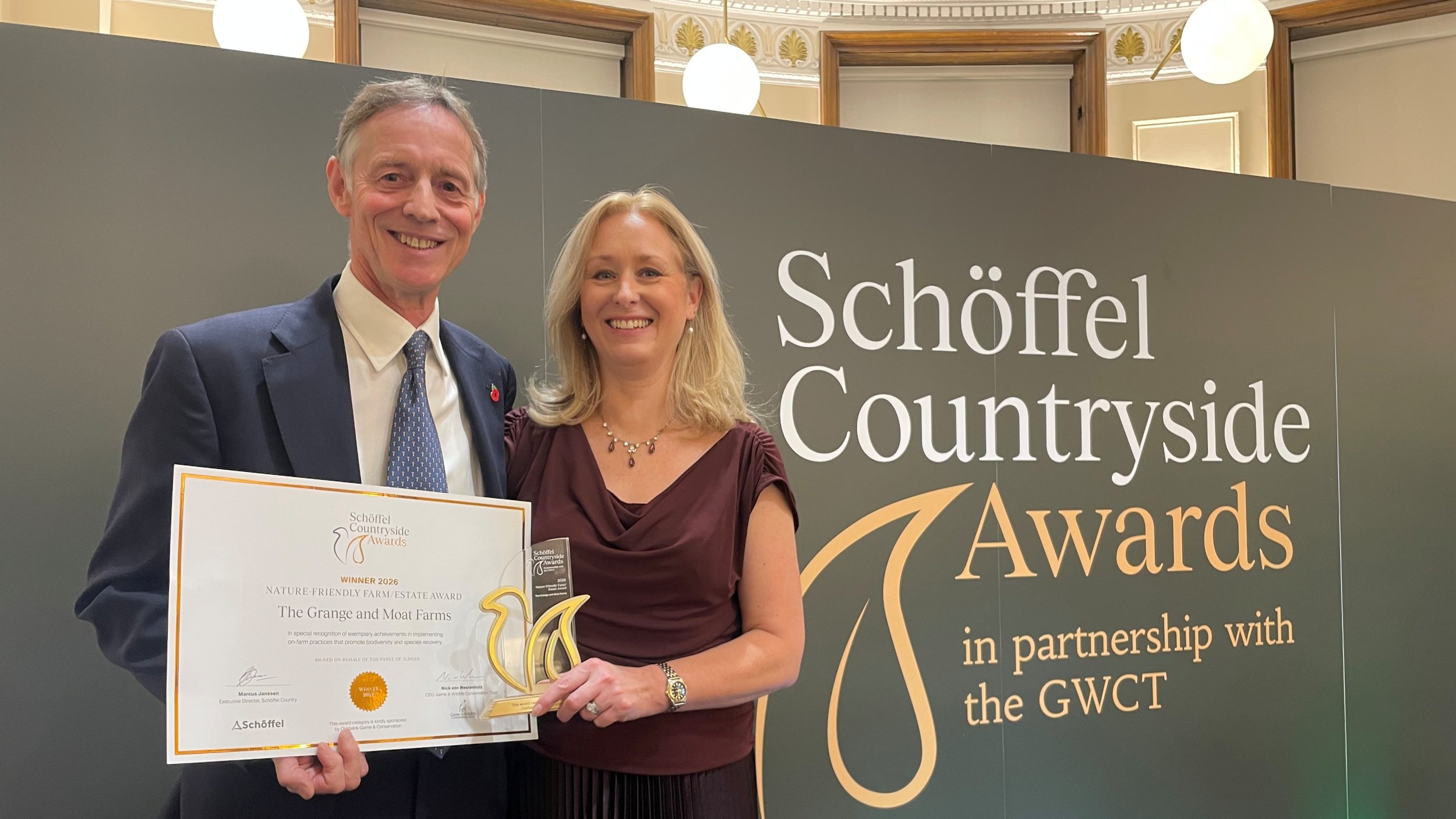
A 25-year commitment to making commercial farming work alongside nature has earned AF Member Andrew Pitts and his family the prestigious Nature-Friendly Farm/Estate Award at the 2026 Schöffel Countryside Awards.
Andrew, who farms alongside his brother William at The Grange and Moat Farms in Whiston, Northamptonshire, was among the winners announced at a ceremony in London on 9th November.
The award, led by charity Game & Wildlife Conservation Trust (GWCT) in partnership with Schöffel Country and sponsored by AF supplier Oakbank Game & Conservation, recognises farms that are making an outstanding contribution to biodiversity and species recovery.
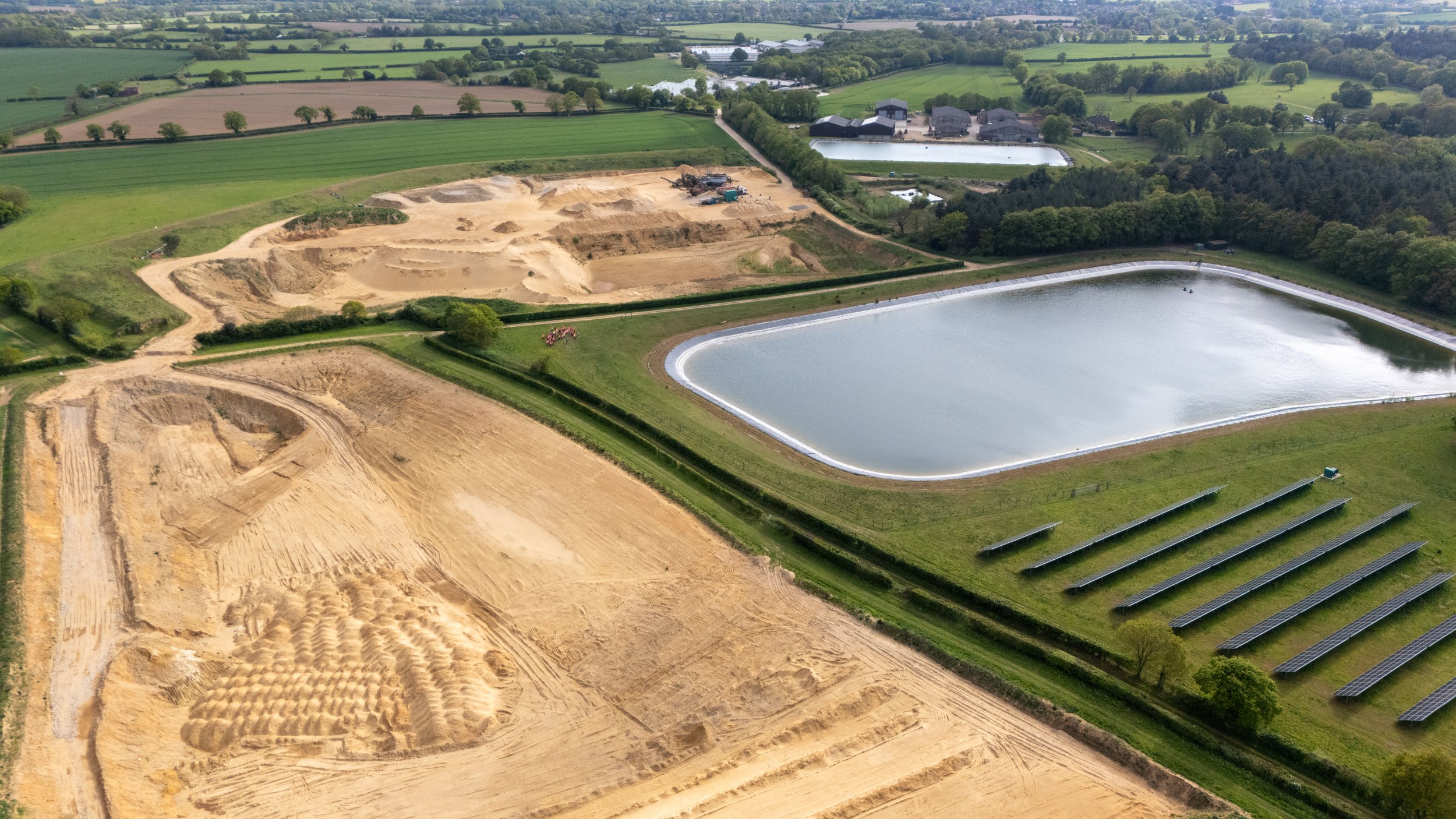
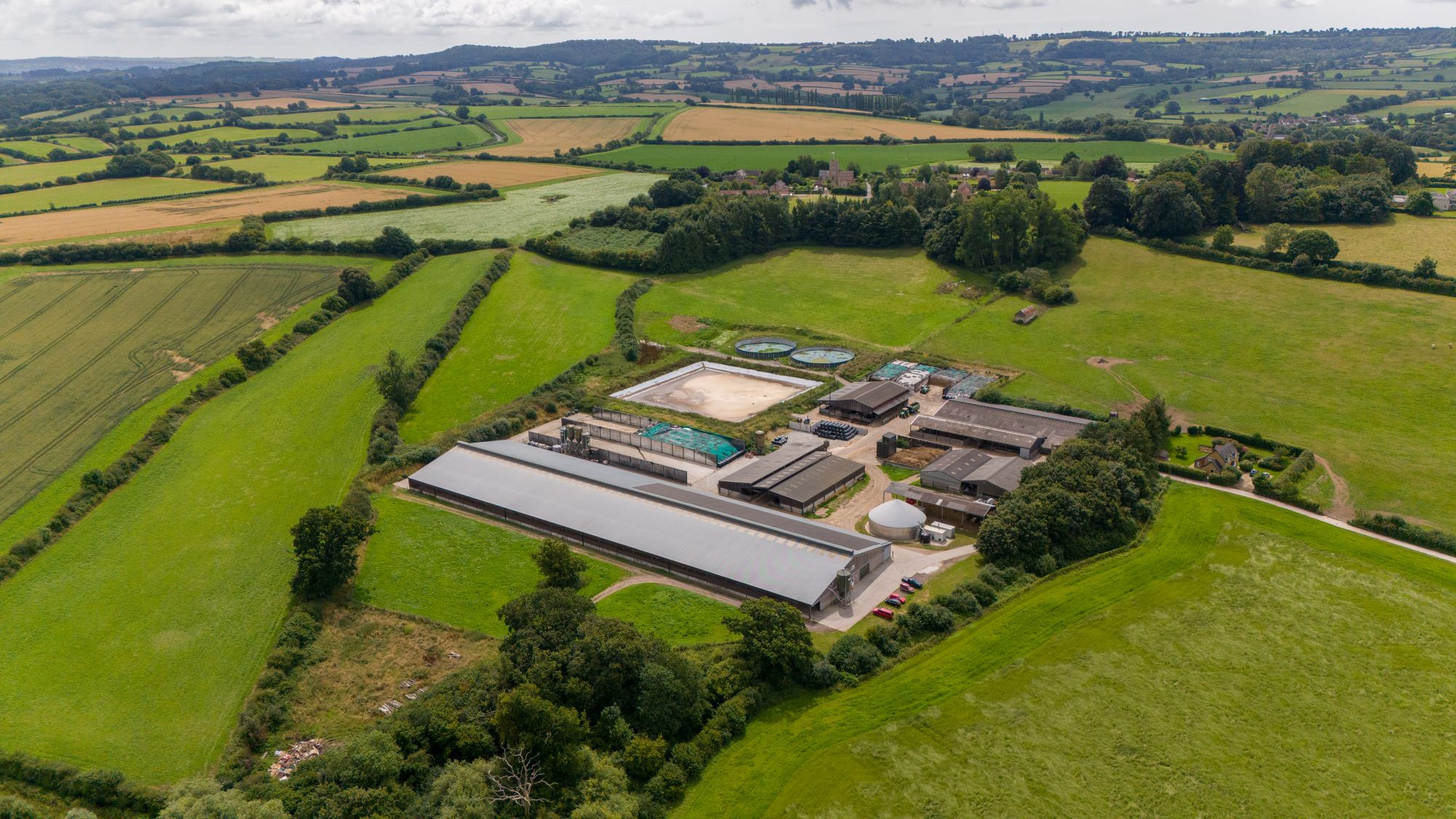
Farming around 800 hectares, Andrew and William have developed an approach that combines productive arable farming with carefully managed wildlife habitats, direct drilling, linked habitat corridors, and year-round resources for farmland birds with a particular focus on grey partridge conservation.
 Andrew is challenging the idea that farming and a thriving natural environment can't go hand in hand – proving that profitable farming and biodiversity can flourish together.
For Andrew, the recognition came as a complete surprise.
“It's recognition of 25 years of environmental work,” he said.
“Recognition from people that you have immense respect for, because the judges are a very eminent panel. That means a huge amount.”
But the motivation has never been about winning awards. Andrew's interest in environmental management grew after the family sold its dairy herd in 2002, giving him more time to explore how farming and conservation could work together.
He was also determined to challenge the idea that high-output farming and environmental management were incompatible.
“At the time, someone from one of the NGO’s was categorically convinced that you couldn’t be a high-output farmer and a high-output environmentalist. We thought he was talking rubbish, and we set out to prove him wrong,” Andrew recalled.
That determination has shaped the way the farm operates today. Andrew's agronomy and crop production experience complements William's knowledge of environmental plants and habitat management, while farm manager Jack McGrath brings plenty of innovative thinking of his own.
“We complement each other really well. We bounce ideas off each other, and we steal ideas from anybody we've been to see. I encourage everyone to steal our ideas too!”
That willingness to learn from others has led to some clever practical changes. One example came from fellow AF Member Bedfordia Farm, whose 24-metre field margin inspired Andrew to rethink how the farm managed its headlands.
By running machinery on the turning headland, the team reduced soil fertility and compaction, creating better conditions for wildflower margins with less grass competition.
“We just turn on it with the combine and the drill. It's been a huge success. It's taken out those compacted headlands that never produce a big, profitable crop, so we turned them into a brilliant environmental margin, while the centre of the field is producing really good yields of really high-value crops.”
The team is also using an autocaster mounted on the combine header to establish cover crops and white clover. This creates multiple benefits, from improving soil and supplying nitrogen to providing food and habitat for wildlife.
 An arable trial plot where Andrew continues to explore innovative approaches to crop production and environmental management.
Andrew's latest plan is to establish more clover as a conservation headland, providing an insect-rich environment for songbirds and game bird chicks.
“Next year we'll autocast a lot more clover. It'll grow us cheap nitrogen, it'll be a companion crop, and it can be a chick-rearing mixture for our grey partridges. So it's three in one.”
With the autumn cover crop funding more than covering the seed cost, Andrew estimates the nitrogen benefit alone could be worth £30–£50 per hectare. “Everyone’s a winner!”
For Andrew, environmental improvements must make commercial sense. He is clear that conservation and profitability aren't competing priorities - in many cases, they go hand in hand.
“We're an accidental regenerative farm. Not because I wanted to have a label, but because that seems to be a really good direction of travel. We only used 46 litres of fuel to grow a crop of wheat last year, which is staggering.
“There's a very trite terminology. You can't be green if you're in the red. We are a farming business.
“Pretty much every time you reduce the carbon, you actually increase your profitability. So it's absolutely hand in glove being a more environmentally friendly farm.”
It's a practical approach built around making better use of the land, machinery and resources already available, rather than investing in specialist equipment or treating conservation as separate from food production.
Andrew is equally passionate about sharing what the family has learnt. The farm regularly welcomes DEFRA, NE and NGOs along with farmers, advisers and other visitors, with the aim of giving them practical ideas they can take away and adapt to their own businesses.
For him, the biggest barrier is often simply getting started.
“The biggest problem people have is they think they haven't got the right kit to do environmental stuff, and they've got exactly the right kit on their farm. It's whatever drill they've got, whatever tractor they've got.”
His advice is to get out, visit demonstration farms, talk to other farmers, and see what's possible. Small changes, using existing equipment and a little different thinking, can make a significant difference.
 Andrew welcomed AF Members and farmers from six counties to The Grange in June 2025.
“We love hosting farmers on our farm. If we can give them one nugget to take away, it's been worth them coming. Quite a lot of people take more than one, which is even nicer.”
His advice is simple: take the first step, go and see what's possible and adapt ideas to suit your own farm.
Congratulations to Andrew, William and everyone involved at The Grange and Moat Farms on this thoroughly deserved recognition.