Are 3-year farming agreements fit for purpose in 2026? Drawing on both his practical experience and insights from AF Members, AF Chief Agricultural Officer John Barrett considers whether these arrangements still serve the needs of modern farming, or whether the status quo must be challenged to support long-term viability and profitability across the rural landscape.
“Listening recently to Minette Batters talk about the investments she has been able to make to grow and develop her own lifetime tenancy made me question ‘how viable is it to invest under a short-term agreement?’
“With an estimated 468,000 hectares now farmed under “other agreements”, including contract farming agreements (CFAs), according to Defra in 2025, this is not a niche issue. If meaningful investment isn’t possible, how can a farming business genuinely succeed and thrive?”
A shift towards longer-term thinking
“We are certainly starting to see more longer-term contracts being negotiated. In the pig sector, Pilgrim’s has recently advertised 20-year contracts; poultry broiler units typically come with at least a 10-year agreement; and the Crown Estate has launched their 10-year environmental farm business tenancies.
“The motivation behind these longer terms is clear: to drive investment. That may be capital investment in machinery or buildings, or longer-term management practices that support crop performance, livestock productivity or soil health. There is growing recognition that willingness to invest is understandably limited when agreements run for as little as three years.”
 John field walking on an AF Member's farm
Why do three-year CFAs still dominate?
“So why do three-year CFAs remain the norm? Some operators will farm their land as if they’ll be there forever, investing because they believe it’s the right thing to do and hoping either to turn a profit quickly or renew the agreement. But even those with a healthy appetite for risk can be forgiven for hesitating to invest in land that could be handed to another operator in just three years’ time.”
Investment drives productivity
“Wheat yields have plateaued in recent years, while productivity in other sectors - pigs, poultry and sugar beet - has continued to rise. That progress has been driven by investment: in breeding, health, welfare, land management, machinery, and attention to detail. The same principle applies to arable farming.
“Investment also needs to include people. Yet if you’re operating on a three-year contract, what incentive is there to invest in the teams and skills required to deliver sustained improvements?”
The cost of machinery and stalled assumptions
“The economics only add to the challenge. Minette Batters’ Farming Profitability Review shows new machinery costs are up 31% over the last five years.
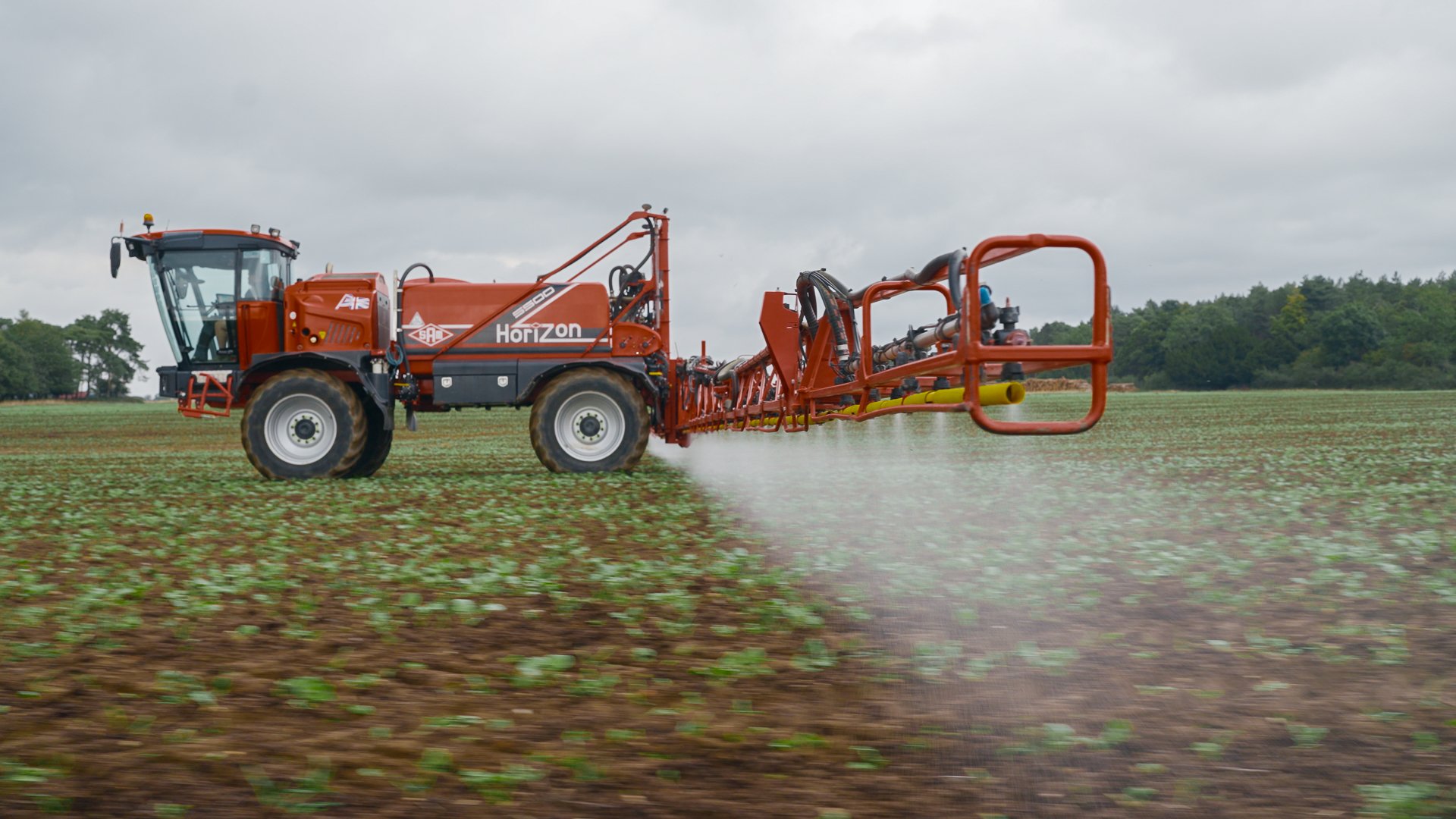
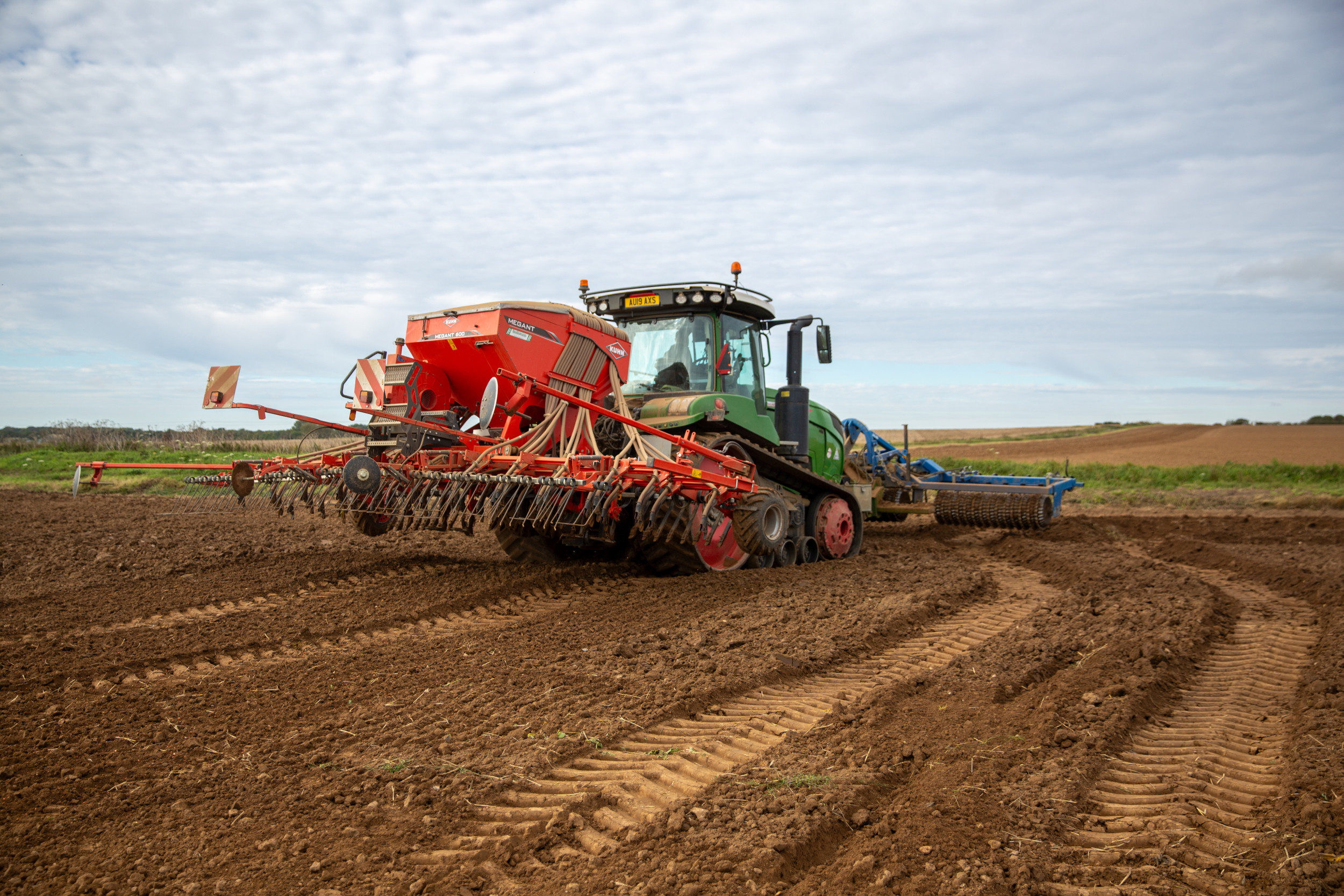
Buying a new combine can now rival the cost of putting up a building - £500,000 to £750,000 - yet machinery is still being purchased against short-term agreements. That approach relied on strong second-hand values, but that market has stalled as demand for new machinery has softened.”
Infrastructure, scale and security
“The businesses growing today tend to be those that have invested heavily in infrastructure - grain stores, chemical stores or reservoirs - and use that scale to support multiple CFAs. But those investments need time to pay back. Longer-term agreements are far more likely to deliver a fair return.
“There is no single “right” agreement length. But it is worth questioning whether three years genuinely works for either party. Reviewing agreement terms, including sensible break clauses, could unlock the investment, productivity and profitability the industry urgently needs if it is to compete both domestically and globally.”
Barrett, J. 2026. Are three-year farming agreements fit for purpose? East Anglian Daily Times. 7th February.
To see how AF helps our Members maximise their margins by saving them money and time, read our latest Members Stories.