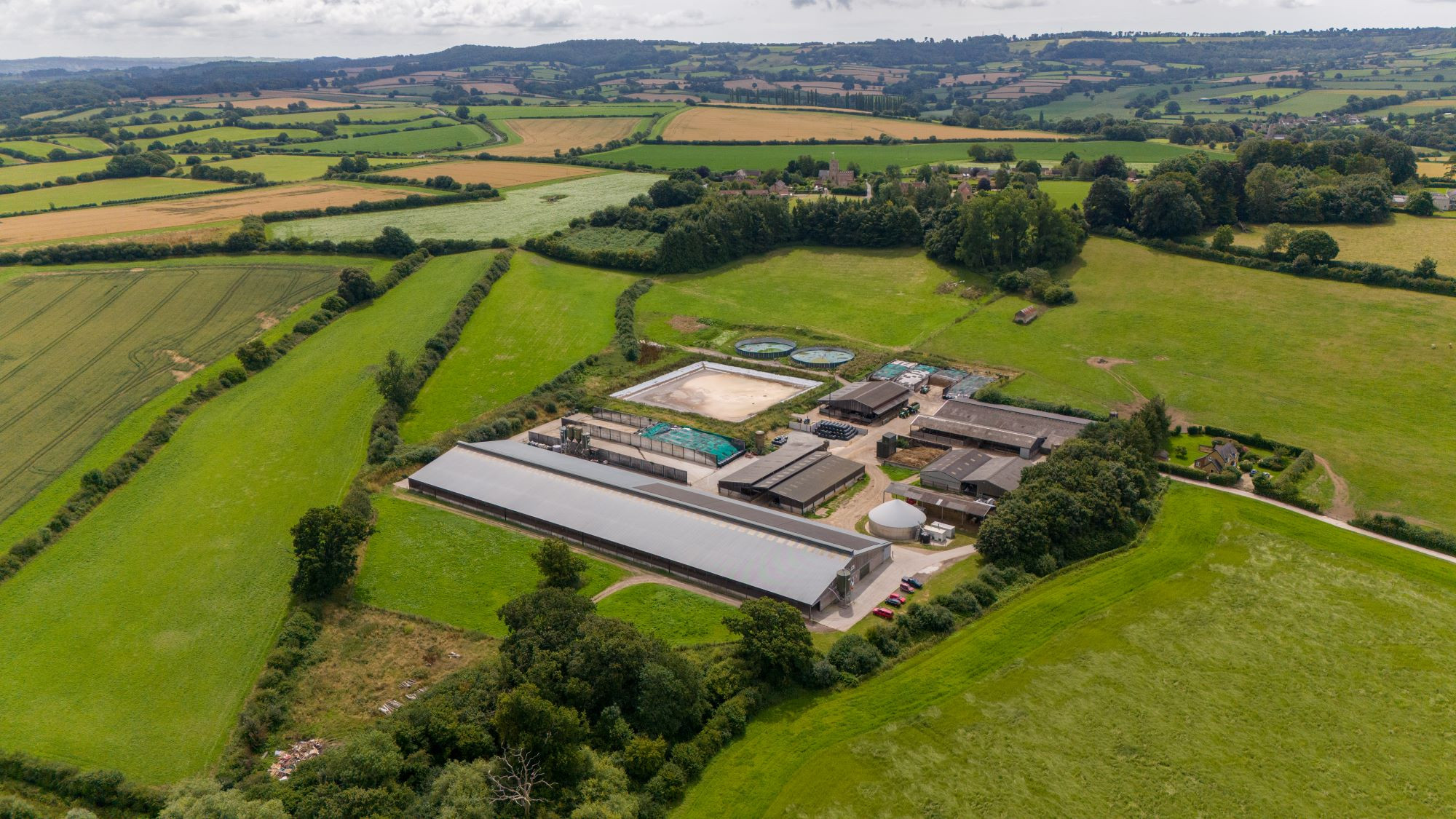
AF Communications Manager Sophie Britch recently swapped the English countryside for the wide-open landscapes of Wyoming, U.S. But while the scale of its ranches and farmland was often difficult to comprehend, it was the smaller holdings - and some unexpected reminders of home - that she found herself relating to most.
“Driving through Wyoming on a recent road trip, I found myself looking out of the car window wondering about the farming and ranching landscape around me.”
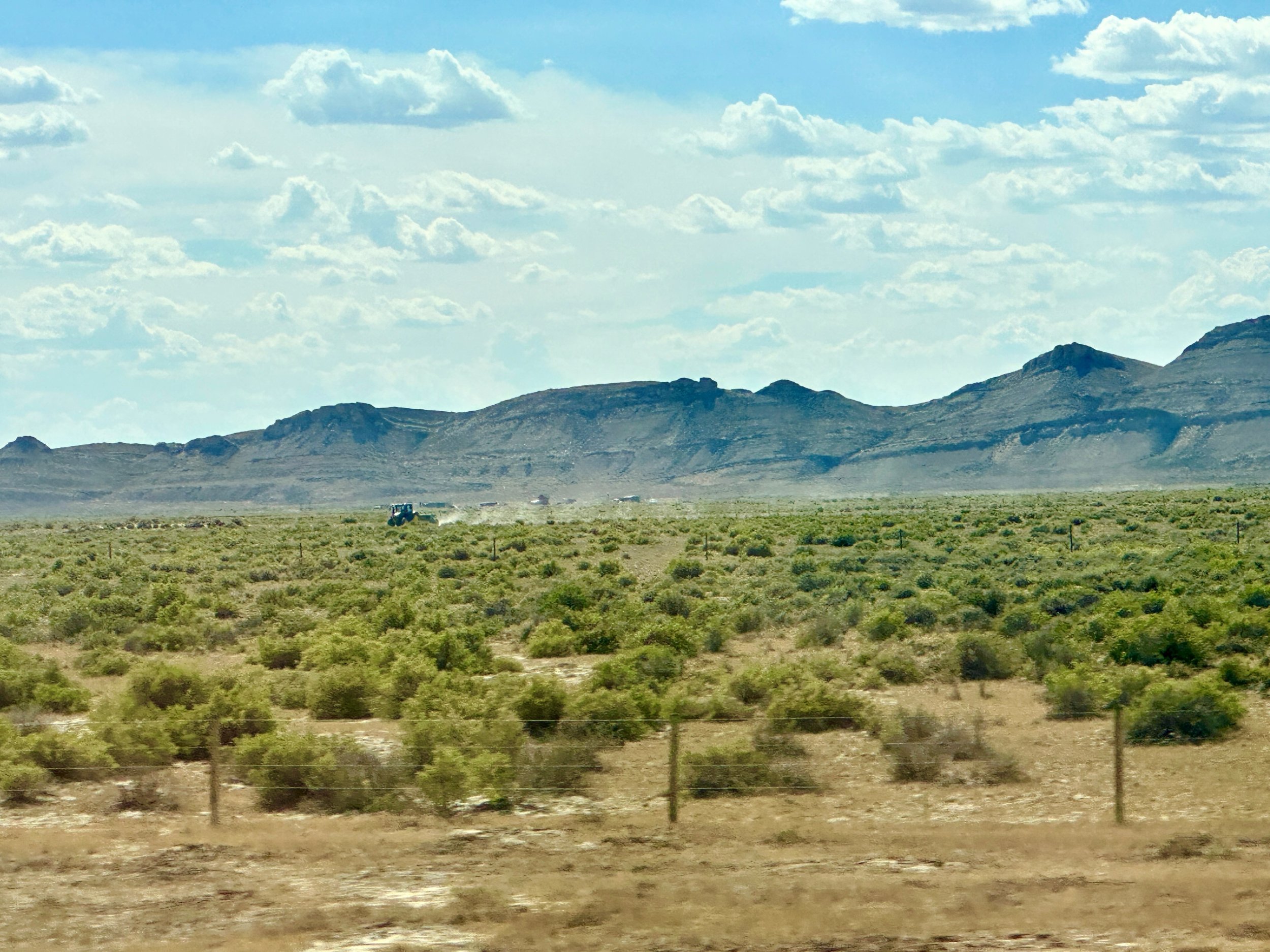
“The landscape felt vast in a way that is difficult to comprehend unless you are standing in it. It stretched endlessly in every direction, beneath huge skies and towards distant mountain ranges, formed millions of years ago, that dwarfed everything around them.
“Much of the land was dry, dusty, and unforgiving, with the arid conditions producing muted shades of brown and gold as far as the eye could see. The contrast struck me between this parched backdrop and the irrigated pastures that appeared almost startlingly green - lush, productive pockets of land that seemed all the more remarkable surrounded by such dryness. It was a powerful reminder of just how dependent agriculture is on water, and how dramatically the landscape can change when it is available.
“The dichotomy in the ways that people live and farm in Wyoming shocked me. A grand ranch house with hundreds of fat cattle and horses on green pastures, was followed by a mobile home with a handful of cattle on sagebrush desert and rocky mountains.”
“I looked across the huge expanses of grazing land and wondered about the practicalities of farming it. The average Wyoming farm and ranch covers around 2,735 acres – making it the state with the largest average agricultural operation size in the U.S.
“As I drove through this vast landscape, I couldn’t help but question how you’d even begin to find your livestock. Much of the land was inaccessible to anything other than a horse or, if you were lucky, an off-road vehicle, and the distances involved were difficult to comprehend. Technology has changed the game, with trackers and drones now important tools for ranchers managing livestock across such enormous areas.
“Add to that the haunting sound of coyotes barking and howling through the night – a constant reminder of the predators that pose a very real threat to sheep and calves – and I began to understand just how challenging everyday life can be for Wyoming’s ranchers in such a vast, exposed and often unforgiving landscape.
“But it still made me stop and think about just how differently farming and ranching must operate when your “fields” stretch as far as the eye can see.”
 The scale of the Wyoming landscape
“Wyoming wasn't all vast holdings and thousands of acres. Travelling through the state - and inevitably looking at the details of properties for sale - I began noticing much smaller holdings. Ranches of five to ten acres were marketed for around $100,000, alongside enormous properties with hundreds of acres carrying price tags running into millions.
“The smaller holdings were the ones I found myself relating to most. Perhaps it was because they felt much closer to what I recognise from home. Strip away the vast Wyoming landscape surrounding them and, in principle, there was something surprisingly familiar about them. A house, some land, a few outbuildings, and enough space to keep animals, grow something or simply enjoy a rural lifestyle.
“I could immediately picture how I might use a smallholding like that – and, in many ways, there is little difference to our smallholding at home.
“A few horses or cattle, some sheep, and a small flock of chickens. A paddock or two. Space for machinery, equipment, and all the other things that inevitably seem to accumulate when land is involved.
“Despite being thousands of miles from home, those smaller holdings felt strangely familiar.”
“That feeling came back while riding trails and packing out with mules in the Big Horn Mountains. Along the way, I came across foresters and hunters on quad bikes and ATVs. Watching them go about their business sparked a pang of longing for home - and for our own woodland and deer management jobs that demand our attention during autumn.
“Again, the landscape was completely different, but there was something recognisable in what people were doing within it. It was one of those unexpected moments when you realise that, despite being on the other side of the world, rural life can still feel surprisingly familiar.”
 Heading home from the mountains through pastures grazed by cows and calves
“Even the smallest Wyoming holding sits beneath an enormous sky, surrounded by a landscape that makes even a relatively modest plot feel like part of something much bigger.
“Before the trip, I had assumed Wyoming farming was largely about huge ranches and large-scale agriculture. Instead, I found a much broader picture.
“From the cattle, buffalo, and crops farmed by the Eastern Shoshone and Northern Arapaho tribes of the Wind River Indian Reservation, to the highly visible presence of the Wyoming CattleWomen across the state, agriculture appeared woven into the identity and culture of the area in many different ways.”
“The climate, landscape, and relationship with water alone make farming in Wyoming very different from farming in the UK.
“But its smaller holdings were a reminder that sometimes, thousands of miles from home, you come across something that feels surprisingly recognisable. And perhaps that was what I enjoyed most about seeing farming and ranching in Wyoming.
“Alongside the moments that made me stop and wonder how it was even possible to farm in a landscape that, at times, appeared so vast and hostile, there were other moments that felt remarkably familiar.
“Different country, different landscape, but in many ways, not quite as different as I had expected.”
Been somewhere that’s given you a different perspective on farming? Share your reflections with us.