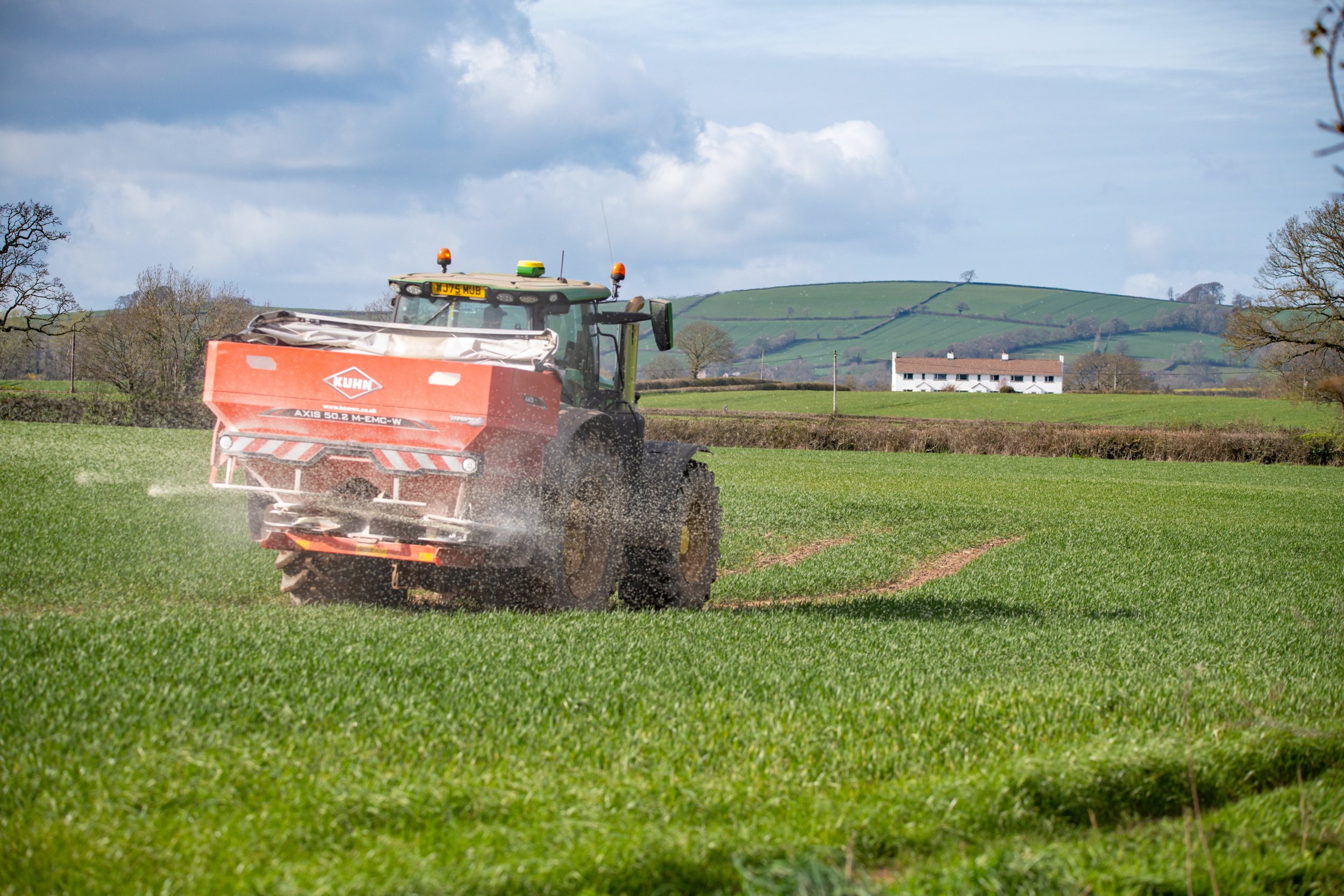
Markets continue to firm with prices for nitrogen fertilisers, particularly urea and nitrates, coming under further pressure.
Key factors:
European natural gas prices have risen to around €80/MWh, reaching their highest levels since early 2023.
Natural gas is a key input into ammonia production, so higher gas prices are increasing production costs for European fertiliser manufacturers.
Some European producers are considering reductions in ammonia production if gas and carbon costs remain elevated.
Higher production costs, combined with already high fertiliser prices, are also beginning to weigh on demand, so producers are not able to easily forecast need.
Although demand is now picking up, it's still lower than usual, which could mean less production and less product brought in.
For importers, this creates additional uncertainty, with some producers less forthcoming with forward pricing as they assess production costs and market conditions.
Current as at 18.09.26.
Urea remains one of the best-value sources of nitrogen:
granular urea = approximately £1.01/kg N
ammonium nitrate = around £470/t which equates to approximately £1.36/kg N.
Both urea and AN remain firm, with further increases of £10-£15/t currently being reported in the market. However, individual offers can vary depending on product origin, delivery period, availability, and supplier so the reported increases should be treated as current market indications rather than a market-wide benchmark.
Attention is also turning to securing product and getting fertiliser booked ahead of the introduction of the UK's Carbon Border Adjustment Mechanism (CBAM).
It's important to note that the UK CBAM is scheduled to come into effect on 1st January. Fertilisers are included within the scope of the UK CBAM, so embedded emissions associated with certain imported fertiliser products will become an additional consideration for importers.
With uncertainty still surrounding the eventual impact of CBAM on fertiliser prices, some suppliers are understandably reluctant to offer firm post-January 2027 pricing and payment terms at this stage. However, all liquid prices given for spring 2027 already have CBAM factored into the costing and most suppliers will have the majority, if not all, products in storage before the end of the year.
Phosphate prices remain firm and expensive. While taking a P holiday can be appropriate where soil phosphate levels are already sufficient, reducing applications on soils with low or declining P indices can ultimately affect yield and nutrient-use efficiency. AHDB research supports maintaining arable soils around P Index 2 to protect yield potential in most situations.
Supply considerations also remain important. In Q4 of last year, poor weather disrupted phosphate exports from Morocco, with vessels at Jorf Lasfar experiencing delays. Jorf Lasfar is a major export hub for Moroccan phosphate products, so disruption there can have an impact on European and UK availability.
Morocco remains a particularly important source of phosphate fertiliser for the UK, but it is not the UK's only source. For example, Morocco accounted for around 83% of UK DAP imports in 2024, with other countries also supplying the UK market.
With phosphate prices elevated and supply risks still present, it is sensible to consider purchases carefully, balancing price, delivery timing, and the requirement for the coming season.
Potash remains relatively stable compared with nitrogen and phosphate. MOP continues to offer a competitive option for maintaining potash applications, particularly where maintaining adequate soil K is important for crop performance.
Korn-Kali and PotashPlus also provide alternative sources of potash and associated nutrients, depending on crop requirements and soil analysis.
Polysulphate pricing has remained relatively stable, and is a good value option.
Overall, the fertiliser market remains firm, with energy costs, production economics, supply-chain risk, and the forthcoming UK CBAM all contributing to uncertainty. Forward planning and sensible purchasing remain important.
The liquid market opened at what we now know was a market high, followed by a reset which brought prices back down. However, prices have since crept back up towards those new-season levels.
For those who have not yet taken any spring cover, it would be sensible to consider ordering some of your requirements now, particularly given the current direction of the market and the potential for further price increases.
Omex are expected to withdraw current pricing by 5 pm today (Friday), unless there is a significant development in the Middle East over the weekend.
Yara and Brineflow have already revised pricing, with increases of around £5–10/m³, and there remains the potential for these prices to be reviewed upwards again depending on market developments.
With the market showing renewed firmness, reviewing your remaining requirements sooner rather than later could help manage the risk of further price increases.
Your AF Fertiliser Team can provide you with all the information required to help you identify the most appropriate and cost-effective fertiliser option for your crop. Get in touch with us today.
James Davies, AF Fertiliser Procurement Manager