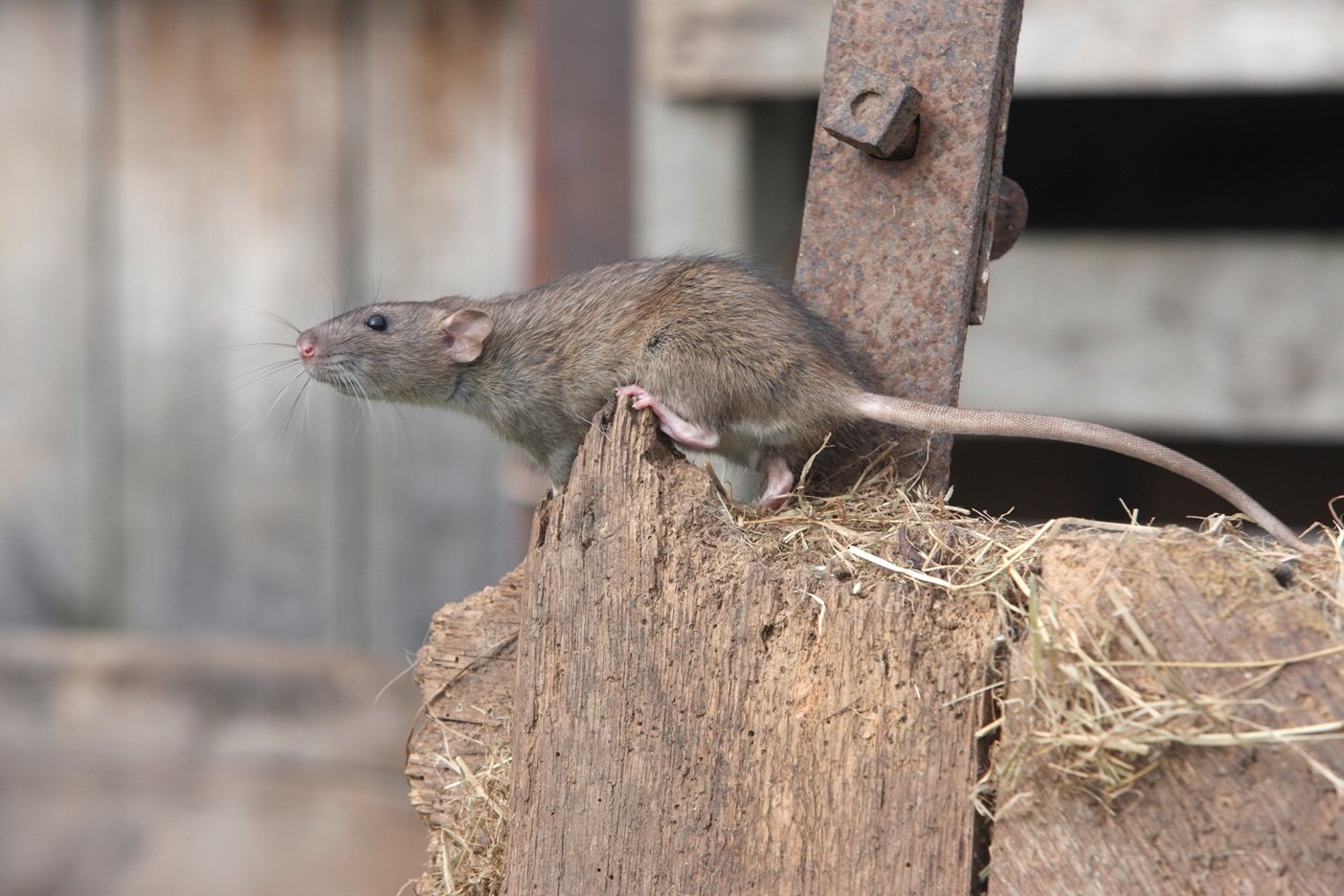
Rodents cost farms money through contaminated feed, damaged buildings and the risk of disease. This update covers a lower-cost range of rodenticides, a faster-acting alternative, a chance to review your pest control arrangements, and our top tips for keeping rodents under control.

We can now supply Killgerm rodenticides alongside the Lodi range. Killgerm bait is made from human-grade wheat rather than animal-grade, so it is better quality and more palatable to rodents. Whilst the active ingredients are the same, the price is considerably lower – in some cases less than half!
Active ingredient | Lodi product | Approx price | Killgerm product | Approx price |
|---|---|---|---|---|
Bromadiolone | Jade 10kg | £37 | Bromag 10kg | £18.90 |
Difenacoum | Ruby 10kg | £37 | Difenag 10kg | £19 |
Brodifacoum | Sapphire 10kg | £60 | Brodiag 10kg | £32.80 |
Prices are approximate and based on loose wheat bait. Wax block formulations are also available.
Selontra is a non-anticoagulant rodenticide bait. Rodents stop feeding within the first day of eating a lethal dose, so control is faster.
Its active ingredient, cholecalciferol, occurs naturally in animals and is lethal only in high doses. It is neither persistent nor bioaccumulative, so the risk of secondary poisoning to non-target animals is lower.
Pest control contracts can roll on for years without being reviewed. But it’s worth reviewing your contract regularly.
AF work with a number of pest controllers, and you can have them billed through your AF account, so you can choose one that suits your needs. If you’d like us to help you review your current contract, get in touch.
If you carry out pest control yourself, it's important to make sure you have the appropriate training, certification and documentation.
AF Members get a 10% discount on Lantra Level 2 Awards. The relevant certification enables you to place bait yourself, subject to the applicable requirements.
A new declaration form is also available. AF can keep your declaration and certificate on file to make future ordering easier. We'll keep it on your file for easy ordering until your certificate expires, five years from the date of issue.
If you're unsure whether your training or documentation is up to date, get in touch with us.
Know your rodent: rats are cautious, while mice are curious, so they respond to bait and boxes differently.
Remove food sources: livestock or pet food, bird seed, open bins, and waste all count. Rats are wary of anything new, so if they find food elsewhere they'll bypass your bait boxes.
Block entry points: rats can squeeze through a gap the size of a coin, and mice through one the size of a pencil!
Remove nesting spaces: clear wood, debris, and anything else rodents could nest in.
Map their routes: check walls, fences, and corners for droppings, grease marks, and gnaw damage.
Place bait boxes strategically: dark corners and along walls are best, close to the routes you’ve mapped.
Monitor early: non-toxic monitoring pastes show you activity levels before you commit to bait.
Rotate active ingredients: to reduce the risk of resistance.
Check and maintain: inspect bait boxes regularly and replenish them.
Ready to switch products, review your contract or book Lantra training? Get in touch with Annalise Crisp, AF Crop Inputs and Pest Control Specialist.
